Purchase Bac Water Can I use USP sterile water for injection?
\nCan I Use USP Sterile Water for Injection? A Real-World Review for Men\'s Wellness
\n\nNavigating prescription-based men\'s health protocols in your mid-40s or early 50s often introduces a steep learning curve. When a physician prescribes a lyophilized (freeze-dried) hormone or peptide, the burden of correct preparation frequently falls on the patient. This has led to a significant surge in online searches surrounding a vital logistical question: "Can I use USP sterile water for injection?" Men are seeking clear, unvarnished facts because matching the wrong diluent with a compound can compromise the solution or lead to localized infections.
\n \nThe intent behind this search is usually grounded in practicality and safety. You may have been given single-use vials of sterile water by a pharmacy, or perhaps your usual mixing agent is out of stock. Understanding whether you can use USP sterile water for injection requires moving past generic marketing claims and analyzing the exact science of fluid dynamics, sterility, and cellular tonicity. This review provides an objective look at this medical diluent from a consumer’s perspective, focusing heavily on safety, cost, and strict single-use limitations.
\n\nWhat Sterile Water for Injection USP Is and Who It Might Fit Best
\nSterile Water for Injection USP is a non-pyrogenic, highly purified, distilled water intended solely for intravenous, intramuscular, or subcutaneous injection after the addition of an appropriate solute. The "USP" designation means it meets the strict chemical and purity standards set by the United States Pharmacopeia. It contains zero antimicrobial agents, preservatives, or added buffers. Because it has no bacteriostatic additives, its chemical profile is entirely neutral, which means it will not interact negatively with sensitive proteins or compound structures.
\n \nThis product fits a very specific demographic and clinical need. It is primarily designed for individuals who require immediate, single-dose reconstitution of a medication that must be injected right away. For a 45-54 man undergoing specialized therapeutic treatments, it is ideal if you are using single-dose vials where any leftover liquid is immediately discarded. Because it lacks benzyl alcohol (the preservative found in bacteriostatic water), it is also the definitive choice for the small percentage of men who exhibit localized allergic reactions, skin flushing, or hypersensitivity to common medical preservatives.
\n\nPractical Benefits and Where It Falls Short
\nThe primary benefit of utilizing a genuine USP-grade sterile water is its absolute purity. Without additives, there is virtually zero risk of preservative-induced burning or stinging at the injection site, a common complaint among men using bacteriostatic alternatives for daily subcutaneous protocols. Furthermore, it is widely available through legitimate medical suppliers and compounding pharmacies, usually costing between $1.50 and $4.00 per single-use vial (typically 5mL to 10mL), making it an affordable component of a broader health regimen.
\n \nHowever, where it falls significantly short is its lack of longevity. Because there is no antimicrobial agent to inhibit bacterial growth, the moment a needle punctures the rubber stopper, the clock starts ticking. It cannot be stored for multi-dose usage over days or weeks. If you attempt to reuse a single vial of sterile water for multiple injections across a month-long protocol, you risk introducing microscopic pathogens into an environment devoid of defenses, which can cause severe abscesses or systemic infections.
\n\nPersonal Experience Case (Successful Single-Dose Use): Greg, a 49-year-old remote consultant, was prescribed a specific weekly peptide that required immediate reconstitution. His clinic provided single-use 2mL glass ampoules of USP sterile water. Greg snapped the ampoule, drew the water, mixed it with his single-dose powder, and administered it immediately, discarding the remaining fluid. Over a 6-week period, he experienced no site irritation, no burning, and perfectly stable lab results. For his single-use protocol, the product worked flawlessly.
\nNegative Case (Multi-Dose Failure): Mark, a 52-year-old real estate agent, purchased a 10mL vial of USP sterile water online, assuming it could be treated like bacteriostatic water. He used 1mL to reconstitute a multi-dose vial of hormone therapy and stored the rest of the water in his refrigerator to use for the next three weeks. By week three, the stagnant water vial had developed micro-contamination. After his fifth injection, Mark developed a painful, swollen, red knot at the injection site that required a clinic visit and oral antibiotics. His mistake was treating a single-use sterile water vial as a multi-dose reservoir.
\n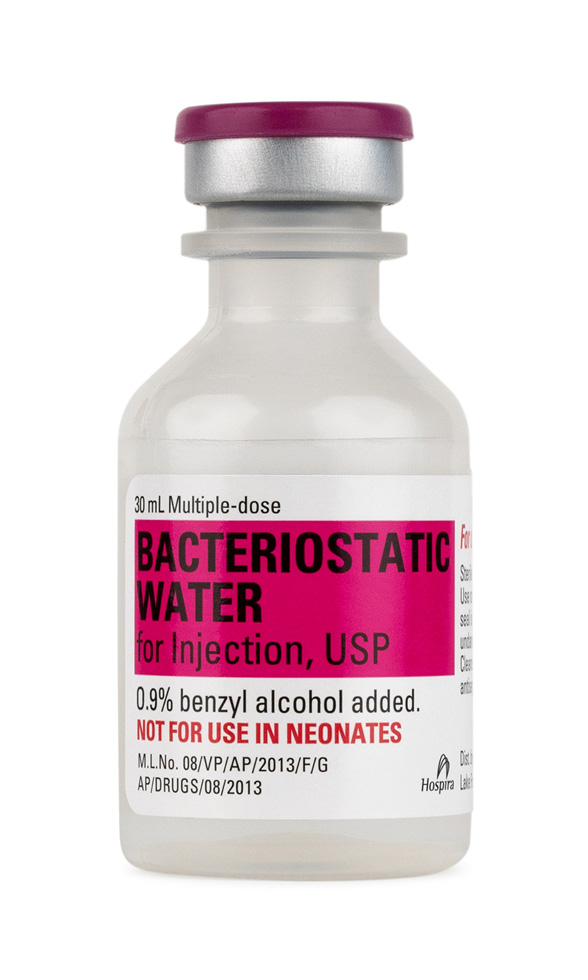 \n
\n What Research Suggests and What It Doesn\'t
\nClinical literature is very clear regarding the utility and limitations of sterile water. Studies published in journals such as the American Journal of Health-System Pharmacy emphasize that sterile water for injection is strictly an osmotic agent meant for compounding. Because it is hypotonic (lacks salts), injecting large amounts of pure sterile water directly into the bloodstream without mixing it with a solute can cause hemolysis—the bursting of red blood cells. Therefore, research shows it must always be properly combined with the intended medication or brought to isotonicity before significant volumes are introduced into the body.
\n \nWhat the research does not suggest is that sterile water is interchangeable with bacteriostatic water for multi-use vials. Clinical guidelines from the CDC strongly warn against reusing single-dose vials. The science shows that without an alcohol preservative like benzyl alcohol 0.9%, any bacteria introduced via a microscopic airborne droplet or an imperfectly sanitized vial top will multiply rapidly at room temperature or even inside a standard refrigerator. The literature does not promise any therapeutic benefits on its own; it is simply a passive, neutral carrier liquid.
\n\nIngredients, Formats, and Quality Signals
\nWhen inspecting a vial to answer the question, "Can I use USP sterile water for injection?", you must check the ingredient profile and labeling layout carefully. True USP sterile water contains exactly one ingredient: Water for Injection (H2O). It contains no bacteriostatic, antimicrobial agents, or added buffers. The pH typically sits in a slightly acidic to neutral range (5.0 to 7.0), which naturally adjusts once mixed with the target therapeutic powder.
\n \nIn terms of formats, you will primarily find this product packaged in small plastic vials (rigid or flip-top), glass ampoules, or small glass vials with rubber stoppers ranging from 2mL to 10mL. To ensure you are handling a high-quality product rather than a dangerous counterfeit, look for specific quality signals on the label: the definitive "USP" stamp, a clear lot number, an unexpired expiration date, and explicit text stating "Single-Dose Container - Discard Unused Portion."
\n\nComparison of Common Mixing Options
\nTo help visualize where USP sterile water sits among other common options you might encounter during your health journey, review the structural comparison table below:
\n\n| Format | \nTypical Dose/Use | \nPros | \nCons | \nCost | \nBest For | \n
|---|---|---|---|---|---|
| USP Sterile Water | \n1mL - 5mL single mix | \nNo preservative sting; high purity. | \nMust discard immediately after opening. | \n$1.50 - $4.00 per vial | \nImmediate single-dose injections. | \n
| Bacteriostatic Water | \n1mL - 2mL repeated draws | \nReusable up to 28 days once opened. | \nCan cause a mild burning sensation. | \n$6.00 - $12.00 per vial | \nMulti-dose peptide/hormone vials. | \n
| Sterile Normal Saline (0.9%) | \nVariable clinical mixing | \nIsotonic; mimics body fluids perfectly. | \nCan degrade certain peptide bonds. | \n$2.00 - $5.00 per vial | \nSpecific non-protein medications. | \n
| Deionized/Distilled Jug Water | \nNone (Never inject) | \nExtremely cheap bulk purchase. | \nNot sterile; high risk of sepsis. | \n$1.00 - $2.00 per gallon | \nCPAP machines, iron steamers only. | \n
| Bacteriostatic Sodium Chloride | \n1mL repeated draws | \nPreserved and isotonic baseline. | \nLimited availability; narrow use. | \n$8.00 - $15.00 per vial | \nSpecific multi-dose clinical solutions. | \n
Buying Framework and Red Flags
\nIf your medical team has confirmed that sterile water is appropriate for your specific single-use medication setup, purchasing from the right source is crucial. Do not simply type the term into a general marketplace and buy the cheapest option from an overseas storefront. Follow this structural quality checklist to protect your health:
\n \n- \n
- Source Verification: Only buy from legitimate compounding pharmacies, verified medical supply retailers, or directly via your physician\'s prescription portal. \n
- Label Integrity: The label must explicitly read "Sterile Water for Injection USP." If it says "Sterile Purified Water" or "Distilled Water," it is not rated for injection. \n
- Seal Verification: Ensure the plastic flip-top or aluminum cap is entirely intact with no signs of moisture around the neck of the vial. \n
Be vigilant for critical red flags. If a vendor lists the item as "for research purposes only" or sells it on an auction site without requiring any credential verification, the risk of contamination skyrockets. Avoid any vials that arrive without a clear lot expiration date or those displaying misspelled medical terminology on the packaging. Saving a few dollars on a questionable vial can lead to thousands of dollars in medical bills if an infection takes root.
\n\n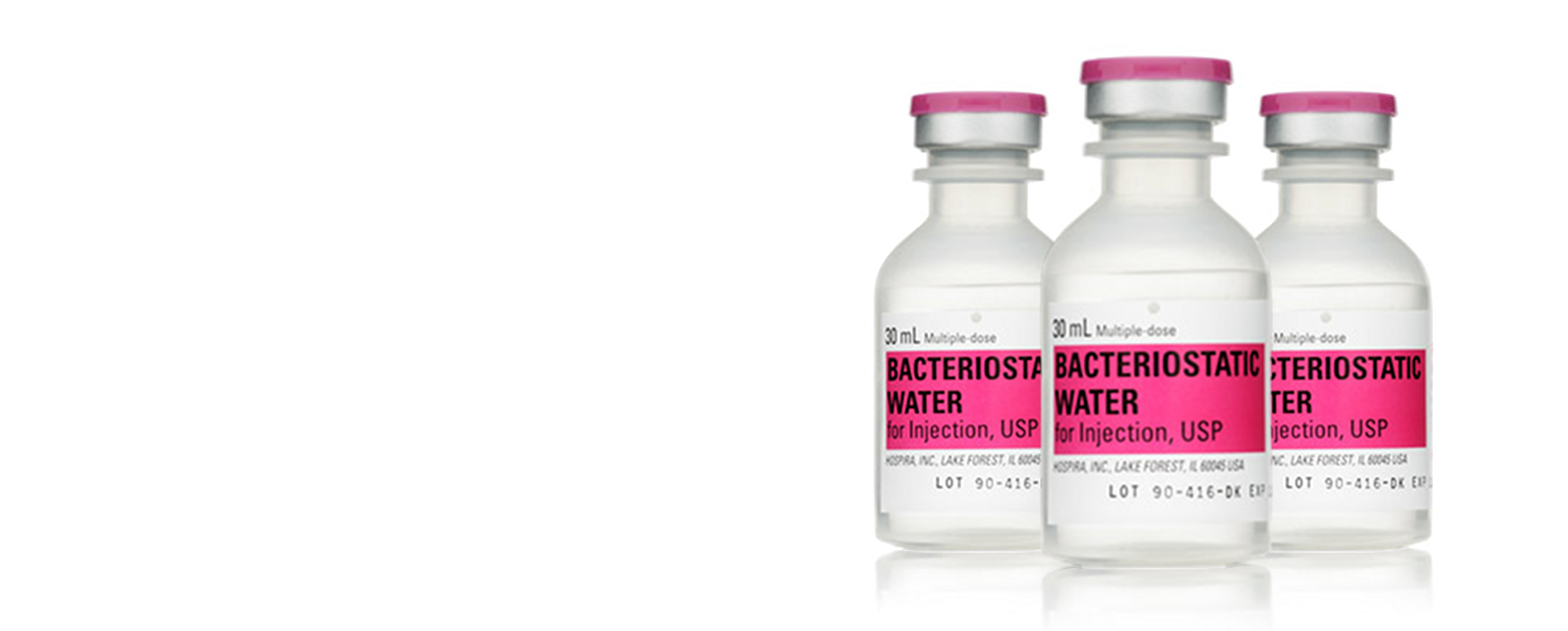 \n
\n Common Mistakes and How to Avoid Them
\nThe single most dangerous mistake men make is confusing sterile water for injection with bacteriostatic water. Because the terms sound remarkably similar, many assume they perform the exact same function. To avoid this mistake, remember a simple rule: Sterile water means zero bacteria are inside the vial right now, but it has no weapons to fight off new bacteria. Bacteriostatic water contains alcohol, which actively stops new bacteria from multiplying. If you mix sterile water into a multi-dose peptide vial meant to last 3 weeks, you are creating a breeding ground for pathogens after the very first draw.
\n \nAnother common misstep is improper storage. Men often place opened single-dose vials in a ziplock bag in the refrigerator, believing the cold air preserves sterility. It does not. The cold merely slows down bacterial growth; it does not stop it. To prevent this mistake, adopt a zero-tolerance policy: once a single-dose vial of USP sterile water is punctured and your immediate dose is drawn, discard the remaining liquid immediately into a sharps or waste container. Never attempt to save it for tomorrow.
\n\nFAQ
\n \nIs sterile water for injection USP proven to be safe for multiple uses over several days?
\nNo, it is absolutely not proven safe for multiple uses. USP sterile water contains no antimicrobial preservatives. The clinical standard dictates it is strictly a single-dose product. Once punctured or cracked open, any remaining solution must be discarded immediately to prevent contamination and subsequent infection risks.
\n\nHow long does it take for sterile water mixtures to degrade if kept in the fridge?
\nIf you reconstitute a medication using sterile water without a preservative, the mixture should ideally be administered immediately. If stored in a refrigerator, the structural stability depends on the specific drug, but from a sterility standpoint, the risk of bacterial contamination increases significantly within 24 hours due to the complete lack of bacteriostatic agents.
\n\nWhat are the primary side effects of using unpreserved sterile water incorrectly?
\nWhen used correctly as a single-dose diluent, it rarely causes side effects. However, if used incorrectly—such as injecting it directly without a solute or reusing an old vial—side effects can include severe localized pain, redness, bacterial abscesses, tissue necrosis, or systemic fever. Injecting plain sterile water in large volumes can also cause local cell hemolysis.
\n\nCan it combine with all types of men\'s health peptides and hormone powders?
\nWhile it can physically dissolve most lyophilized powders, it should only be combined with medications designed for single-dose immediate consumption. If your peptide protocol requires you to draw small doses from the same vial over a 14-day or 30-day period, you cannot combine it with standard sterile water; you must use bacteriostatic water instead.
\n\nWhat are the safety differences between oral vs injection/alternative diluents?
\nOral diluents or tap water pass through the digestive system, where stomach acid destroys most common microorganisms. The injection route bypasses these natural defenses completely, delivering liquid directly into fat, muscle, or blood tissue. Therefore, while minor impurities are tolerated orally, an alternative non-sterile liquid used via injection can carry pathogens directly into the body, causing immediate systemic harm.
\n\nA Practical 2-Week Experiment Framework
\nIf you and your doctor have determined that your routine requires single-dose sterile water, tracking how your body responds over an initial trial period can help ensure your protocol is safe and comfortable. Below is a tracking framework designed for an initial 2-week monitoring phase using a prescribed single-dose medication.
\n \nPhase 1: Week 1 Baseline Evaluation
\n During the first week, focus entirely on your preparation hygiene and tracking immediate localized skin reactions. Prep your injection field with 70% isopropyl alcohol. Pop the cap off a fresh single-dose USP sterile water vial, draw the exact amount required, mix it with your single-dose therapeutic powder, and administer immediately. Note if there is any stinging during the injection. Check the site at 1 hour, 6 hours, and 24 hours for signs of swelling, redness, or itching. Record these metrics in a daily wellness log.
Phase 2: Week 2 Consistency and Disposal Review
\n During the second week, maintain identical timing and site hygiene, but pay close attention to your disposal habits. Ensure that you are discarding every single-dose water vial immediately after the single draw, resisting any urge to save leftover water to save money. Monitor your injection sites to see if they remain completely clear of the firm, painful lumps that often indicate micro-contamination. Compare week 2 logs with week 1. If any redness persists beyond a few hours or if tenderness increases, pause the protocol and consult your prescribing physician to evaluate your technique or check for underlying sensitivities.
About the Author
\nEthan Vance, MS, Senior Wellness Content Editor
\n Ethan Vance holds a Master of Science in Health Sciences and has spent over twelve years reviewing clinical consumer health products, therapeutic protocols, and medical supplies tailored for the 45-54 male demographic. Having evaluated dozens of compounding pharmacy practices and home-use medical accessories, Ethan focuses on distilling complex clinical realities into objective, straightforward consumer guides. He does not accept financial endorsements from specific pharmaceutical brands, ensuring all reviews remain balanced and grounded in current healthcare standards.
Disclaimer: The information provided in this review is intended purely for educational and informational purposes. It does not constitute medical advice, diagnosis, or treatment. Home injection protocols should only be undertaken under the direct supervision and prescription of a qualified, licensed physician. Always read the specific manufacturer labels and consult a medical professional if you have doubts about your diluents.
\n
Discussion