How To Mix Peptide With Bac Water How to mix bacteriostatic water with peptides?
\nHow to Mix Bacteriostatic Water with Peptides: A Realistic Guide for Women Over 45
\nIf you have spent any time browsing wellness forums, longevity blogs, or midlife skincare groups lately, you have likely noticed a major surge in discussions around cellular health. Specifically, women in the 45-54 age bracket are increasingly looking into research compounds to address shifting metabolic rates, changes in skin elasticity, and general vitality. However, moving from reading articles to actually managing these protocols introduces a steep learning curve. The most immediate logistical hurdle newcomers face is figuring out how to mix bacteriostatic water with peptides safely and accurately at home.
\nMost commercial peptide options arrive as a dry, freeze-dried (lyophilized) powder in a small glass vial. To make them usable, they must be reconstituted. This process requires precision, specific supplies, and a baseline understanding of sterile techniques. It is easy to feel overwhelmed by the conflicting advice found online, where some forums treat the process like casual kitchen chemistry, while others make it sound like advanced molecular biology. This guide aims to provide a cautious, balanced, and highly practical look at the reconstitution process, stripping away the marketing hype to focus on safety, math, and realistic expectations.
\nWhat Reconstituting Peptides with Sterile Bacteriostatic Water Is and Who It Might Fit Best
\nReconstitution is simply the process of adding a liquid solvent (a diluent) to a dry powder to create a solution. When dealing with research compounds, the standard diluent is bacteriostatic water, which is sterile water containing 0.9% benzyl alcohol as a preservative. This preservative is crucial because it inhibits the growth of bacteria, allowing the vial to be accessed multiple times over a multi-week period when stored correctly.
\nThis process is generally considered by individuals who are comfortable with meticulous measurements, multi-step sanitization routines, and sub-milligram math calculations. It is typically sought out by women in their late 40s or early 50s who are tracking their wellness metrics closely and prefer a direct, unblended approach to their routines rather than multi-ingredient commercial supplements. It is distinctly not suitable for anyone looking for a quick, "plug-and-play" solution, nor is it appropriate for individuals who dislike handling fine-gauge syringes or those who cannot commit to rigorous refrigeration schedules.
\nPractical Benefits and Where It Falls Short
\nWhen looking at the practical side of managing this at home, the primary benefit is control. By handling the reconstitution yourself, you know exactly what diluent was used, the precise concentration of the liquid, and how fresh the mixture is. Many consumers find that purchasing compounds in lyophilized form is more cost-effective over a 3-to-6-month period compared to pre-mixed options offered by high-end boutique wellness centers, which often charge hefty premiums for short-shelf-life solutions.
\nHowever, the downsides are notable and should not be glossed over. The entire process rests on your ability to maintain a sterile field. If your technique slips, you risk introducing contaminants into the vial. Furthermore, lyophilized powders are highly fragile; a single drop of the vial or a rapid, forceful stream of water sprayed directly onto the powder can shear the delicate peptide chains, rendering the batch ineffective.
\n \nA Positive Consumer Case Study
\nLet\'s look at a realistic scenario. Ellen, a 49-year-old accountant, decided to try a basic 12-week regimen targeting skin collagen support. She purchased a 5mg vial of a specific peptide fragment and a 30mL bottle of bacteriostatic water (totaling about $85 for the initial supplies, including insulin syringes and alcohol prep pads). Using a peptide calculator, she carefully added 2mL of bacteriostatic water to her 5mg vial, yielding a concentration of 2.5mg per mL. She administered her measured amounts smoothly each morning, kept the vial strictly refrigerated at 4°C, and completed her cycle without any localized irritation or issues, noting a subtle, steady improvement in her skin hydration markers by week 8.
\n \nA Negative Consumer Case Study
\nConversely, consider the experience of 52-year-old Sarah. Sarah rushed through the preparation step after a long workday. She did not wipe the rubber stoppers with alcohol, and she aggressively injected 1mL of bacteriostatic water straight down into a 10mg peptide vial, causing the liquid to foam violently. Furthermore, she left the reconstituted vial on her bathroom counter overnight instead of putting it in the refrigerator. Within three days, she noticed redness and a slight burning sensation at the site of use. The vial had degraded due to a combination of structural shearing from the forced injection and thermal degradation from being left at room temperature. Sarah had to discard the remaining $110 vial entirely, presenting a costly error born of impatience.
\n\n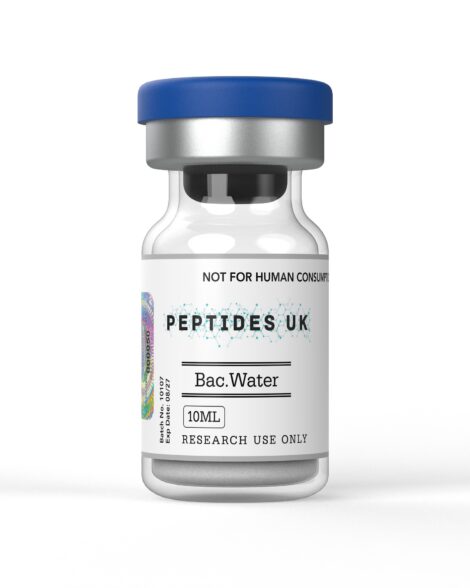 \n
\n What Research Suggests and What It Doesn\'t
\nThe science surrounding these compounds is fascinating but heavily nuanced. In laboratory settings and animal models, specific amino acid sequences have demonstrated clear pathways for stimulating cellular repair, influencing growth hormone secretagogues, and modulating inflammatory responses. However, as an informed consumer, it is critical to realize that human clinical data remains limited for many of the newer variants popular on social media.
\nWhile some older, well-established sequences have undergone human trials for specific medical conditions, many compounds sold online are strictly designated for "research purposes." This means that while short-term safety profiles might appear acceptable in small sample groups, long-term data spanning 5 to 10 years of continuous or cycled use in menopausal women is virtually nonexistent. Risks can include localized injection site reactions, fluid retention, shifts in insulin sensitivity, or unexpected interactions with existing hormone replacement therapies (HRT). Do not assume that because a compound is available for purchase online, its full safety profile has been cleared by regulatory bodies like the FDA for consumer wellness applications.
\nIngredients, Formats, and Quality Signals
\nWhen you buy supplies to learn how to mix bacteriostatic water with peptides, you need to understand exactly what you are looking at on the product labels. The ingredients should be minimal and transparent:
\n- \n
- Lyophilized Peptide Powder: This should appear as a solid white cake or a collection of small white flakes at the bottom of a vacuum-sealed glass vial. It should never look clumpy, discolored, or damp. \n
- Bacteriostatic Water USP: The ingredient list must read: Sterile water for injection, containing 0.9% (9mg/mL) Benzyl Alcohol. Do not mistake this for "Sterile Water for Injection," which lacks the benzyl alcohol and must be discarded after a single use. \n
Quality signals are your only real defense in an unregulated market. Look for companies that provide accessible, batch-specific High-Performance Liquid Chromatography (HPLC) and Mass Spectrometry (MS) reports. These documents verify two critical metrics: purity (which should ideally be 98% or higher) and actual content weight (confirming that a 5mg vial actually contains 5mg of the active compound, not fillers).
\n\n \nComparison of Common Options
\nTo help visualize how different formats and approaches compare, consider the following data table outlining typical options available to consumers exploring these protocols:
\n \n| Format | \nTypical Dose/Use | \nPros | \nCons | \nCost (Approx.) | \nBest For | \n
|---|---|---|---|---|---|
| Lyophilized Powder (DIY Mix) | \nVariable (e.g., 250mcg daily) | \nHigh purity control; cost-effective over time; long shelf life before mixing. | \nRequires complex math; high risk of user contamination or compound damage. | \n$40 - $120 per vial | \nDetail-oriented consumers wanting maximum purity and cost efficiency. | \n
| Pre-Mixed Wellness Clinic Solutions | \nPre-measured by clinic staff | \nZero math required; prepared in professional sterile environments. | \nExtremely expensive; very short shelf life; rigid dosing schedules. | \n$300 - $600 per month | \nThose with a high budget who want to avoid handling the mixing math entirely. | \n
| Nasal Spray Kits | \n1-2 sprays daily into nostrils | \nNon-invasive; easy to store; no needles or syringes required. | \nLower bioavailability; highly erratic absorption rates across nasal membranes. | \n$70 - $150 per kit | \nIndividuals with an absolute phobia of needles who accept lower efficiency. | \n
| Oral Capsules / Tablets | \n1 capsule daily on empty stomach | \nHighly convenient; portable; standard supplement format. | \nMost peptide chains are destroyed by stomach acid; very few variants survive orally. | \n$60 - $130 per bottle | \nPeople prioritizing convenience, restricted to specific stomach-stable sequences like BPC-157. | \n
| Cosmetic Topical Serums | \nApply to clean skin twice daily | \nCompletely safe for over-the-counter use; great hydration benefits. | \nLarge molecules rarely penetrate deep systemic layers; localized skin action only. | \n$50 - $200 per bottle | \nTargeting surface-level fine lines without wanting systemic physiological changes. | \n
Buying Framework and Red Flags
\nBecause the market is saturated with online vendors, you must approach purchasing with a highly critical eye. Use this checklist before entering your credit card information on any supplier\'s website:
\n- \n
- [ ] Check for Third-Party Testing: Is there a clear, downloadable PDF of a recent (within the last 3-6 months) lab test from an independent facility? \n
- [ ] Verify the Domain Reputation: Avoid sites that frequently change names or hide their contact details completely. \n
- [ ] Analyze the Price Point: If a vendor is selling a notoriously expensive compound for 70% less than the market average, it is highly likely underdosed or heavily stepped on with fillers like mannitol. \n
- [ ] Review the Bacteriostatic Specification: Ensure they sell genuine USP bacteriostatic water, not cheap "saline solutions" or basic distilled water. \n
Red Flags to Watch Out For: Avoid vendors that make sweeping health claims, promise to "cure" age-related diseases, or offer pre-mixed liquids via standard mail without cold-chain shipping. Real peptides degrade quickly in high transit temperatures once they are in liquid form.
\n\n \n
\n Common Mistakes and How to Avoid Them
\nEven with instructions in hand, errors are remarkably common during a first attempt. Recognizing these pitfalls can save you both money and frustration.
\nThe most devastating mistake is shaking the vial to dissolve the powder. Unlike a protein shake, these molecular structures are incredibly fragile. Shaking breaks the delicate bonds, leaving you with an expensive vial of useless liquid. Instead, gently swirl or roll the vial between your palms. If some powder remains stuck to the glass, simply place the vial in the refrigerator for 15 to 30 minutes; it will dissolve naturally on its own over time.
\nAnother classic error is ignoring the vacuum effect inside the vial. Most high-quality vials are sealed under a vacuum. If you insert a syringe and pull the plunger back without equalizing the pressure, or if you let the vacuum violently suck the water out of your syringe, it will slam into the powder with enough force to damage it. To avoid this, draw an equivalent volume of air into your mixing syringe first, push that air into the bacteriostatic water vial, draw your water, and then when piercing the peptide vial, hold the plunger firmly to control the descent drop-by-drop down the glass wall.
\nFAQ: Navigating the Technicalities Safely
\n \nIs it proven that reconstituting at home maintains compound stability?
\nYes, peer-reviewed laboratory studies confirm that keeping peptides in a lyophilized state until right before use preserves their molecular integrity. However, once you learn how to mix bacteriostatic water with peptides and complete the process, the clock starts ticking. The stability is proven to remain reliable for roughly 21 to 28 days, provided the solution is kept consistently refrigerated between 2°C and 8°C. Beyond this window, the compound naturally begins to degrade, gradually losing its potency.
\n\nHow long does it take to see noticeable results after starting a cycle?
\nBecause these compounds work at a subtle cellular level rather than providing a pharmaceutical spike, patience is required. Consumers typically report seeing initial changes in sleep patterns or recovery metrics within 2 to 3 weeks. More distinct structural changes, such as improved skin density, changes in body composition, or joint comfort, generally take between 8 and 12 weeks of consistent, accurate application to become apparent.
\n\nWhat are the primary side effects of improper mixing or usage?
\nIf the mixing technique is flawed or unsterile, side effects can range from localized redness, swelling, and itching at the application site to low-grade structural infections. Systemically, using an incorrect dose due to bad syringe math can cause transient side effects like mild headaches, lethargy, temporary water retention (bloating), or tingling sensations in the fingers and hands. If any severe reactions occur, usage should be stopped immediately.
\n\nCan it combine with standard hormone replacement therapy (HRT)?
\nMany women in the 45-54 demographic who are undergoing bioidentical hormone replacement therapy wonder if these protocols conflict. While there are no direct chemical interactions between a water-based peptide and steroid hormones like estrogen or progesterone, they can have overlapping physiological effects (such as fluid retention). It is absolutely essential to speak frankly with your endocrinologist or primary healthcare provider to ensure your overall metabolic markers are balanced safely.
\n\nWhat are the actual pros and cons of oral vs injection or other alternatives?
\nThe debate between oral options versus subcutaneous application comes down to biological survival. Most amino acid chains are rapidly broken down by the harsh enzymes and acids in the human digestive tract, meaning oral delivery often has less than 3% bioavailability. Subcutaneous injection bypasses the digestive tract completely, offering near-100% absorption. While oral alternatives are far more convenient and eliminate needle anxiety, they are ultimately highly inefficient and expensive for the vast majority of sequences.
\n\n \nA Practical 2-Week Experiment Framework
\nIf you have decided to move forward with a protocol, approaching it through a structured, short-term evaluation window can keep you grounded and organized. Below is a realistic 2-week framework for monitoring your baseline safety, preparation steps, and early physical reactions.
\n \nWeek 1: Inventory, Preparation, and Reconstitution Precision
\nThe focus of the first week is entirely logistical. Before you even touch a vial, gather all your necessary supplies on a clean, well-lit surface. You will need your lyophilized compound vial, a fresh bottle of bacteriostatic water, several alcohol prep pads, and sterile insulin syringes (typically 1mL/100-unit capacity with fine-gauge needles).
\nOn your chosen preparation day, meticulously sanitize your hands and wipe down the rubber tops of both glass vials with an alcohol pad, allowing them to air dry completely for 30 seconds. Slowly draw up your calculated amount of bacteriostatic water (for example, exactly 2mL). Insert the needle into the compound vial at a slight angle, aiming the tip toward the inside glass wall. Slowly depress the plunger, allowing the water to run down the glass rather than splashing directly onto the powder. Gently roll the vial between your hands until the liquid is perfectly clear, then immediately place it on a designated shelf in your refrigerator. Spend the rest of Week 1 monitoring the site for any localized skin sensitivity or immediate reactions post-application, logging everything in a dedicated notebook.
\n \nWeek 2: Consistent Storage Tracking and Systemic Assessment
\nDuring the second week, your main objective shifts to maintenance and checking for subtle system changes. Keep a close eye on your storage setup; ensure the vial is not placed in the refrigerator door where frequent opening causes temperature fluctuations, and make sure it is far away from the freezer element to prevent accidental freezing.
\nBy days 8 through 14, start keeping a daily log of basic wellness markers. Note your sleep quality, morning energy levels, joint comfort, and any mild side effects like transient water retention or mild headaches. This is not about expecting miracles; it is about establishing a clean baseline data set. If you experience persistent bloating or headaches, it is a clear sign that your calculations might be off or your body requires a lower concentration, allowing you to make safe, data-driven adjustments before continuing further into a full cycle.
\n
Discussion