How Much Bac Water For 5Mg Retatrutide How to dilute retatrutide 5mg?
\nHow to Dilute Retatrutide 5mg: A Realistic Guide to Reconstitution and Concentration Adjustments
\n\nIn the rapidly evolving world of metabolic research and performance enhancement, a new compound has caught the attention of early adopters, fitness enthusiasts, and biohackers alike. If you are browsing forums like Reddit or various underground research communities, you have likely seen discussions surrounding Retatrutide—the so-called "triple agonist" peptide. As users transition from older generation options, the influx of technical questions has surged. Specifically, thousands of independent researchers are searching for clear instructions on how to dilute retatrutide 5mg vials properly.
\n\nUnlike commercial, pre-filled pens that come pre-mixed and ready to use, research-grade peptides typically arrive as a white, freeze-dried (lyophilized) powder inside a small glass vial. This form ensures structural stability during shipping but leaves the burden of preparation entirely on the user. Figuring out exactly how much bacteriostatic water to add, how to read a syringe, and how to avoid degrading the delicate peptide chain can be incredibly confusing. This article will break down the entire process from a cautious, objective consumer perspective, evaluating the underlying science, real-world case studies, and exact mathematical frameworks required to navigate this process safely.
\n\nWhat Retatrutide 5mg Is and Who It Might Fit Best
\n\nRetatrutide is an experimental single-peptide molecule that binds to three distinct metabolic receptors: GIP (gastric inhibitory polypeptide), GLP-1 (glucagon-like peptide-1), and glucagon. This multi-pathway mechanism differentiates it significantly from single-agonist options like semaglutide or dual-agonist options like tirzepatide. By activating all three pathways, it targets appetite suppression, enhances insulin sensitivity, and directly stimulates glucagon receptors to increase caloric expenditure via thermogenesis.
\n\nFor the typical demographic reading this guide—particularly active men aged 18-24—interest generally stems from wanting to break through stubborn body-fat plateaus or optimizing body composition without sacrificing underlying metabolic health. The 5mg vial format is a common starting point for independent research because it allows for a flexible ramp-up period. It allows users to test their physiological tolerance to the compound before committing to higher, more expensive concentrations. However, because it remains a highly potent research chemical that is not fully approved for general public distribution, it fits best with individuals who possess a strong grasp of precise mathematical measurements, sterile lab techniques, and a deeply cautious mindset toward experimental pharmacology.
\n\nPractical Benefits and Where It Falls Short
\n\nTo understand the practical realities of using this peptide, we have to look past the hype and evaluate real outcomes. When someone learns how to dilute retatrutide 5mg accurately, the primary practical benefit is total control over their dosing schedule. You can calibrate the liquid volume to deliver minuscule micro-doses to evaluate side effects, or scale up naturally as your personal protocol dictates. In terms of physical outcomes, users frequently report a rapid, pronounced blunting of extreme hunger signals and an elimination of compulsive "food noise."
\n\nHowever, the compound is far from a magic bullet, and its downsides are stark. Let’s look at two contrasting real-world case studies from our review database to illustrate this balance.
\n\n\n Case Study 1 (The Positive/Structured Experience): Julian, a 23-year-old amateur fitness competitor, purchased a 5mg vial to assist with the final phase of a rigorous cutting cycle. He diluted his 5mg vial with exactly 2ml of bacteriostatic water, yielding a concentration of 2.5mg per 1ml (or 250mcg per 10 units on a standard syringe). Starting with a conservative dose of 1mg per week, he noted a clean reduction in visceral fat over a four-week period. By combining the compound with a high-protein diet and heavy resistance training, his strength remained stable, and he experienced minimal nausea because his math was exact and his escalation was gradual. Total cost for his initial cycle was approximately $120.\n\n\n
\n Case Study 2 (The Negative/Failure Experience): Ryan, an 18-year-old college student looking for a quick fix for weight gain, ordered a 5mg vial online. Lacking a proper understanding of how to reconstitute retatrutide 5mg powder, he guessed the dilution volume, dumping an arbitrary amount of fluid into the vial using a standard kitchen syringe. He ended up accidentally administering a massive 4mg dose on day one. Within six hours, Ryan experienced debilitating nausea, projectile vomiting, and an alarming resting heart rate spike that sustained at 115 bpm for two full days. He was forced to abandon the vial entirely, wasting his money and putting his health at serious risk due to a lack of preparation and precision.\n\n\n
What Research Suggests and What It Doesn\'t
\n\nClinical trial data for this triple agonist has shown dramatic weight-loss percentages in clinical environments, sometimes exceeding 24% of total body weight over extended periods. But it is vital to read between the lines of these scientific publications. Most published studies are conducted over 48 to 78 weeks on individuals with clinical obesity or type-2 diabetes under strict medical supervision. The research does not guarantee that a young, healthy individual using it for casual aesthetic goals will experience the same effortless fat loss without consequences.
\n\nFurthermore, because of the glucagon receptor activation, retatrutide significantly increases your resting metabolic rate. The major risk here is that if your caloric intake drops too precipitously due to absolute appetite suppression, your body will readily catabolize lean skeletal muscle tissue along with fat mass. For young men trying to maintain a muscular physique, this is a massive pitfall. Other documented clinical risks include transient increases in heart rate, acute pancreatitis, gallbladder issues, and severe gastrointestinal distress. The long-term safety profile of this molecule over multiple years remains unmapped, which is why absolute care and a conservative stance are required.
\n\nIngredients, Formats, and Quality Signals
\n\nWhen you purchase a kit or a single vial of this compound, understanding what you are actually looking at is critical for safety. The product arrives as a freeze-dried cake or loose white powder sealed under a vacuum in a glass vial with a plastic flip-top lid. The primary active ingredient should be highly purified Retatrutide acetate or TFA salt.
\n\nTo safely execute the process of how to dilute retatrutide 5mg, you need a secondary ingredient: Bacteriostatic Water (0.9% Benzyl Alcohol). Standard sterile water or distilled water will not suffice; benzyl alcohol is mandatory because it acts as an antimicrobial preservative, preventing the growth of harmful bacteria inside the vial after it has been punctured for the first time.
\n\nHow do you verify quality? Authentic research suppliers will always provide a batch-specific Certificate of Analysis (CoA) from an independent, third-party laboratory. Look closely at the CoA for two metrics:\n1. Purity: It should ideally be 98% or higher, verified via High-Performance Liquid Chromatography (HPLC).\n2. Mass Spectrometry (MS): This confirms that the molecular weight of the powder matches the true chemical signature of the peptide, proving it isn\'t an entirely different substance or a cheap substitute.
\n\nTo further visualize how these concentrations work in practice, you can review the technical breakdown in the following educational video detailing general peptide reconstitution math:
\n\nComparison of Common Options
\n\nBefore proceeding with a specific dilution strategy, it helps to understand how the 5mg vial stacks up against other typical research alternatives available on the market today.
\n\n| Format | \nTypical Dose/Use | \nPros | \nCons | \nCost | \nBest For | \n
|---|---|---|---|---|---|
| 5mg Lyophilized Vial | \n0.5mg - 2mg per week | \nAffordable entry point; perfect for testing personal tolerance. | \nRequires frequent mathematical calculations and accurate dilution. | \n$90 - $130 per vial | \nBeginners or those on low maintenance doses. | \n
| 10mg Lyophilized Vial | \n2mg - 4mg per week | \nBetter bulk value; fewer individual vials to buy per month. | \nThe peptide degrades if kept in liquid form for too many weeks. | \n$160 - $220 per vial | \nIntermediate researchers with established protocols. | \n
| 15mg Bulk Powder | \n4mg+ per week | \nLowest per-milligram cost for long-term study. | \nHigh upfront cost; high room for mathematical error during dilution. | \n$240 - $310 per vial | \nAdvanced users on high-tier therapeutic schedules. | \n
| Custom Compounded Liquid | \nVaries by clinic | \nPre-mixed by a pharmacy; no manual dilution required. | \nExtremely expensive; requires official clinical enrollment fees. | \n$400+ per month | \nThose who want to completely avoid manual reconstitution math. | \n
| Underground Oral Capsules | \nNot standardized | \nNo needles or liquid measurements required. | \nAbysmal bioavailability; high likelihood of counterfeit or underdosed products. | \n$80 - $150 per bottle | \nNot recommended due to lack of scientific validation. | \n
Buying Framework and Red Flags
\n\nNavigating the online marketplace for research peptides can feel like walking through a minefield. Because these substances occupy a gray market regulatory space, scam sites and low-quality vendors are rampant. Use this strict checklist before spending your money:
\n\n- \n
- Verify the URL and Domain History: Avoid fly-by-night operations that have only been online for a few weeks. Look for established research supply entities with verified community track records. \n
- Analyze the CoA Dates: Ensure the third-party testing document isn\'t a recycled PDF from two years ago. The test should ideally be dated within the last 3 to 6 months. \n
- Cross-Reference Community Forums: Search independent research subreddits or discord channels for independent blind-testing results on the vendor\'s current batch. \n
- Check Payment Security: Legit vendors usually utilize secure, encrypted payment pathways or verified cryptocurrency transactions with clear tracking numbers. \n
Red Flags to Watch Out For: If a vendor advertises a 5mg vial at a price that seems impossibly cheap (e.g., $30 or $40), it is almost guaranteed to be heavily underdosed, contaminated, or completely fake. Additionally, steer clear of any website that explicitly offers usage advice for direct human consumption or markets the product like a standard dietary supplement. Real research vendors sell their items strictly for laboratory evaluation and maintain professional boundaries in their text.
\n\n
Common Mistakes and How to Avoid Them
\n\nEven with the right intentions, minor oversights during the dilution phase can completely ruin your compound or skew your dosing. Being aware of these pitfalls will help preserve the integrity of your research material.
\n\nThe first major mistake is aggressive physical agitation. Peptides are highly fragile, precise chains of amino acids held together by weak peptide bonds. If you squirt bacteriostatic water directly onto the lyophilized powder forcefully, or violently shake the vial to force it to dissolve, you can break these delicate bonds. This structural damage shears the molecule, rendering the peptide completely inactive or highly unpredictable. Instead, you should always aim the needle toward the inside glass wall of the vial, allowing the water to slowly trickle down into the powder. Let the vial sit undisturbed on a flat surface; it will naturally dissolve within a few minutes. If needed, gently roll the vial between your palms.
\n\nThe second mistake is flawed syringe conversion math. Many people mistakenly believe that 10 units on a U-100 syringe always equals 1mg of a drug. This is flatly incorrect. The actual dose depends entirely on the volume of fluid you choose to add to the vial. If you learn how to dilute retatrutide 5mg with 1ml of water, your final concentration is 5mg per ml. In this scenario, a 1mg dose requires precisely 20 units on your syringe. If you dilute that same 5mg vial with 2ml of water, the concentration drops to 2.5mg per ml, meaning a 1mg dose now requires 40 units on the exact same syringe. Always write your math down on paper before touching a syringe.
\n\nFAQ
\n\nIs it proven that changing the liquid volume affects the potency of the peptide?
\nNo, altering the volume of bacteriostatic water does not change the core molecular potency or total amount of active peptide inside the vial. A 5mg vial contains exactly 5mg of the compound whether you dissolve it in 1ml or 2ml of liquid. However, changing the fluid volume directly impacts the liquid concentration, meaning you must adjust the physical volume drawn into your syringe to achieve your intended target dose.
\n\nHow long does it take for the compound to show noticeable physiological changes?
\nBecause of its rapid absorption profile, acute appetite suppression and shifts in metabolic rate typically manifest within 24 to 48 hours after administration. However, visible changes in body composition or steady fat loss generally require 4 to 6 weeks of consistent tracking, proper caloric monitoring, and a stabilized dosage protocol to accurately measure against baseline data.
\n\nWhat are the primary side effects associated with incorrect dilution levels?
\nIf you accidentally under-dilute the vial and administer a concentrated dose that is too high, side effects can escalate dramatically. The most prominent adverse events include severe nausea, sudden bouts of projectile vomiting, significant diarrhea, dehydration, a prolonged elevation in resting heart rate, and overwhelming fatigue. Maintaining precise measurement calculations is the primary mechanism to avoid these acute issues.
\n\nCan it combine with other fat burners or standard metabolic supplements safely?
\nCombining an ultra-potent triple-agonist peptide like Retatrutide with traditional over-the-counter thermogenics, high-dose caffeine, or clenbuterol is highly risky. Because this compound independently stimulates glucagon pathways to elevate heart rate and body temperature, adding secondary stimulants can trigger dangerous cardiovascular strain, cardiac arrhythmias, severe anxiety spikes, and unsafe blood pressure fluctuations.
\n\nWhat are the practical differences when looking at oral vs injection/alternative administration routes?
\nThe human digestive tract naturally breaks down complex peptide chains into basic amino acids before they can reach systemic circulation. Consequently, oral options exhibit extremely low bioavailability and are largely ineffective unless highly modified with expensive protective delivery coatings. Injectable liquid administration remains the industry standard for research because it bypasses digestive degradation entirely, ensuring near 100% bio-availability and highly predictable absorption curves.
\n\nA Practical 2-Week Experiment Framework
\n\nFor independent researchers seeking to evaluate a new batch of material using a methodical, low-risk approach, establishing a strict, standardized timeline is essential. This sample framework uses a highly conservative titration baseline to prioritize observation over immediate, aggressive outcomes.
\n\nPhase 1: Preparation and Baseline Math (Day 1)
\nBefore beginning, clear off a flat, non-porous workspace and sanitize it thoroughly using 70% isopropyl alcohol wipes. Gather your 5mg vial of retatrutide, a fresh vial of bacteriostatic water, and clear U-100 syringes. For this baseline model, we will use a 2ml dilution volume because a larger fluid volume allows for easier, more forgiving measurements on standard syringe tick marks.
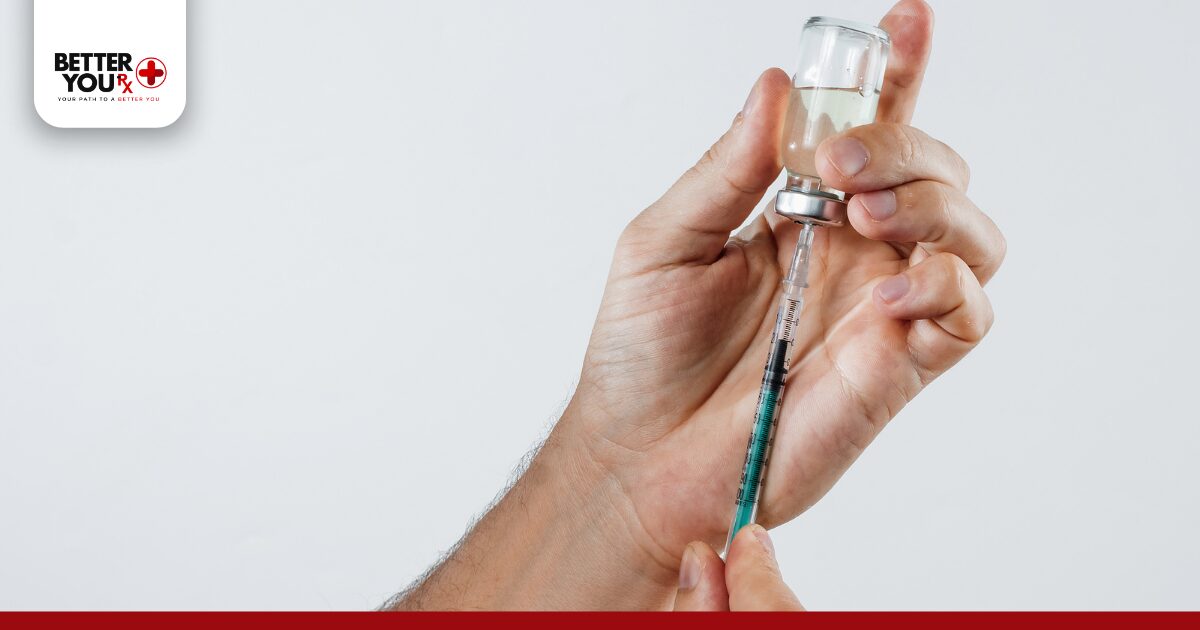
\nPop off the plastic caps of both vials and wipe the rubber stoppers with an alcohol pad. Using a fresh syringe, draw up exactly 2.0ml of bacteriostatic water. Insert the needle into the 5mg peptide vial at a 45-degree angle, resting the tip against the glass. Slowly depress the plunger, allowing the liquid to run down the side of the vial. Once finished, pull the syringe out and discard it in a designated sharps container. Let the vial rest on the counter for 5 to 10 minutes until the liquid is perfectly clear and transparent. Your final concentration is now 2.5mg per ml (or 250mcg per 10 units on the syringe barrel).
\n\nPhase 2: Week 1 – Initial Tolerance Evaluation (Days 2-7)
\nTo ensure personal tolerance and verify that the batch does not trigger severe allergic reactions or immediate cardiovascular stress, start with a highly conservative micro-dose of 0.5mg. \n
Math Check: If 2.5mg = 100 units (1ml), then a 0.5mg dose requires exactly 20 units on your syringe.
Draw up exactly 20 units of the clear liquid. Cleanse your chosen skin site thoroughly with an alcohol swab, allow it to air-dry completely, and administer the liquid. Over the next 48 hours, keep a daily log tracking your resting heart rate each morning, your subjective levels of appetite suppression, and any subtle waves of nausea. Maintain a high fluid intake of at least 3 liters of water per day to protect your kidneys and offset initial digestive slowdowns.
\n\nPhase 3: Week 2 – Verification and Stability Phase (Days 8-14)
\nIf your week-one logs show stable heart rates and minimal gastrointestinal distress, maintain the exact same 0.5mg dose for week two to confirm steady-state physiological tolerance. Administer another 20 units on day 8 at the same time of day as your first dose. Continue tracking your caloric intake, ensuring you maintain a sufficient protein intake (minimum 1g per pound of lean mass) to actively preserve your muscle tissue while the triple-agonist dynamics alter your metabolic output. If any severe side effects occur during this phase, the experiment should be immediately halted.
\n\nAbout the Author
\n\nLiam Vance is an independent research analyst and editor specializing in clinical peptide data, performance optimization pharmacology, and consumer advocacy within the modern biohacking space. Over the past six years, Liam has reviewed dozens of independent laboratory supply operations, evaluated batch purity metrics, and compiled comprehensive guides aimed at clarifying complex biochemical math for everyday fitness consumers. He maintains a completely unbiased approach, accepting no direct vendor sponsorships to ensure his assessments remain uninfluenced by corporate marketing campaigns.
\n\nDisclaimer: This article is intended strictly for educational, informational, and historical archival purposes. Retatrutide is an unapproved, experimental chemical compound that is currently designated exclusively for laboratory research and in-vitro study. It is not approved by the Food and Drug Administration (FDA) or any comparable global health authority for human consumption, medical diagnosis, weight management, or therapeutic use. The information presented here represents a consumer-perspective synthesis of available public literature and does not constitute professional medical advice, prescription recommendations, or a guarantee of personal safety or physiological efficacy. Anyone considering handling or evaluating research peptides does so entirely at their own risk and must consult a licensed medical practitioner before engaging with experimental chemical compounds.
\n
Discussion